
Your cart is currently empty!
Gold
Still A Golden Opportunity?
As gold continues its impressive bull run, reaching new all-time highs, investors are left wondering: has the momentum finally tired out, or is there still room for growth? With gold currently trading at $2943 an ounce, up from $1615 just two years ago, the market is buzzing with speculation. Recent developments in talks between Trump and Putin have added a new layer of complexity to the equation. Will these diplomatic efforts ease geopolitical tensions and dampen gold’s rally, or will the precious metal continue to shine as a safe-haven asset amidst global uncertainty? In this blogpost, we will delve into the factors driving gold’s price, the impact of recent political developments, and why gold remains a lucrative asset to trade and invest in.

Geopolitical Tensions
One of the primary drivers of the recent bull run in gold prices is the increasing geopolitical tensions around the world. The ongoing conflict between Russia and Ukraine, coupled with heightened tensions in the Middle East, has led investors to seek safe-haven assets like gold. Historically, gold has been a go-to asset during times of political instability and conflict, as it retains its value when other assets may be too risky.
Central Bank Buying
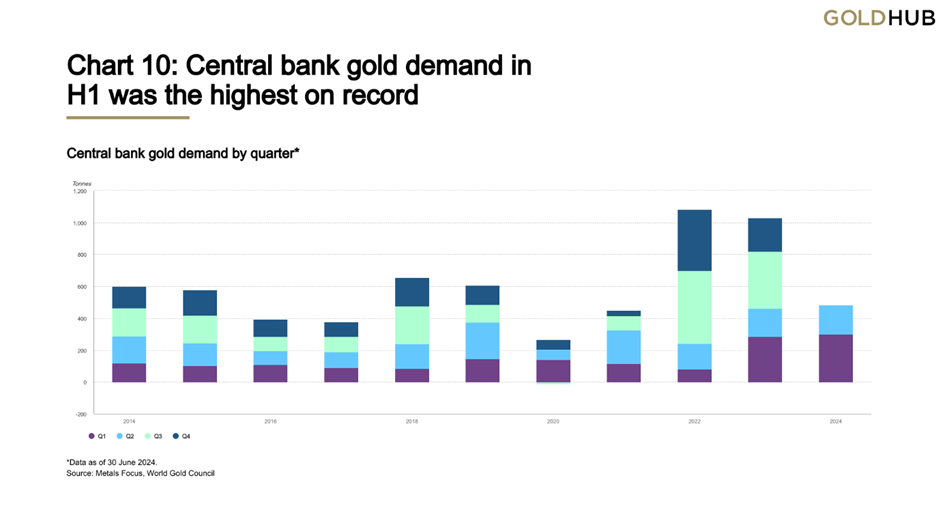
Central banks around the world have been on a gold-buying spree, further boosting gold prices. According to the World Gold Council, central bank gold demand has more than doubled in recent years. This trend is driven by central banks’ desire to diversify their portfolios and protect against economic instability and market downturns. Countries like China and India have been increasing their gold reserves, signaling strong demand for the precious metal.
Seasonal Trends
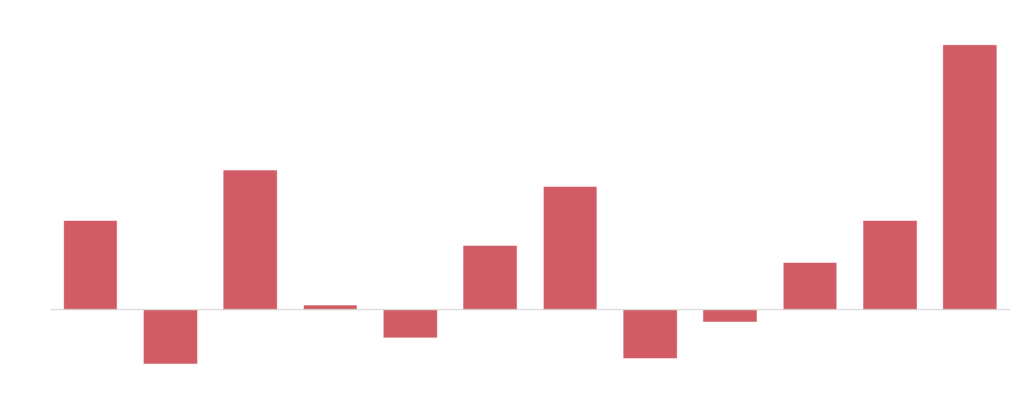
Gold’s typical seasonality also plays a role in its price movements. Historically, gold prices tend to rise during certain times of the year, particularly in the last quarter. This trend is supported by increased demand for gold during festivals and holidays, especially in countries like India, where gold is an integral part of cultural and religious celebrations.
Correlation With M2 Money Supply
In previous analyses, it has been observed that gold has a stronger correlation with the M2 money supply than with inflation measures like the Consumer Price Index (CPI) or the Personal Consumption Expenditures (PCE) index. When the M2 money supply rises significantly, so does the price of gold. This is because an increase in money supply leads to currency devaluation, which in turn drives up the price of goods denominated in that currency, including gold.

Technical Analysis and Future Projections
From a technical analysis perspective, gold’s performance in 2025 has been nothing short of spectacular. Gold started the year at $2625 an ounce and is currently trading at $2943, having broken all-time highs repeatedly. This consistent upward momentum is a strong indicator of the bullish sentiment in the market.
The correlation with M2 money supply remains evident, as gold prices have surged alongside the increase in M2. The ongoing geopolitical tensions and rising M2 have created a perfect storm for gold, driving its price higher. The technical indicators, such as moving averages and volume trends, also support the bullish outlook for gold. The price action suggests that gold is likely to continue its upward trajectory in the near term.

Conclusion
In conclusion, gold remains a lucrative asset to trade and invest in due to its role as a safe-haven asset, its correlation with M2 money supply, and its seasonal trends. The current geopolitical landscape and central bank buying further enhance its appeal. While my previous target of $3000 an ounce for the summer of 2025 was considered ambitious, it now seems that this target could be reached much sooner than anticipated. The data and trends suggest that gold is on the verge of breaking the $3000 mark, making it an essential asset to include in any investment portfolio. As always, it is crucial to rely on solid data and make objective and emotionless choices regarding your portfolio.
Comments